
Key Benefits
- Extended catheter life: proper lock and flush protocols significantly extend catheter patency and reduce study attrition from catheter failure
- Reduced contamination risk: pre-filled syringes and sealed vials eliminate the variability and infection risk of manual solution preparation
- Integrated system: PinPort vial caps and syringes are compatible with all Instech PinPort-equipped catheters and VABs
Overview
Maintaining catheter patency is critical for the success of long-term vascular access studies. Instech catheter care products provide everything needed for routine catheter maintenance, including lock solution vials, pre-filled flush syringes, and complete maintenance kits.
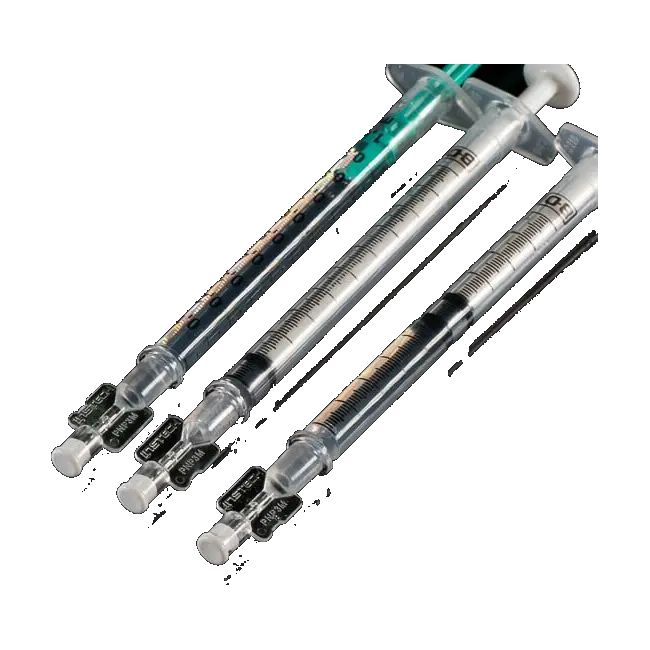
The PinPort vial cap provides a convenient, sterile method for accessing lock solution vials using the same PinPort connectors used throughout the Instech vascular access system. Pre-filled syringes eliminate the variability and contamination risk associated with manual preparation of flush solutions.
Key Features
- Lock solution vials for maintaining catheter patency between access events
- Pre-filled flush solution syringes for standardised catheter flushing
- Catheter maintenance kits with all components for routine care
- PinPort vial cap for aseptic access to lock solution vials
- Heparinised and non-heparinised lock solution formulations available
- Compatible with all Instech PinPort-equipped catheters and VABs
- Sterile packaging for GLP-compliant studies
Typical Applications
- Routine catheter maintenance in chronic vascular access studies
- Catheter locking between infusion or sampling sessions
- Pre- and post-procedure catheter flushing
- GLP toxicology and pharmacokinetic study catheter care
- Long-term catheterisation studies in mice and rats
Specifications
| Lock Solutions | Heparinised and non-heparinised formulations |
|---|---|
| Flush Syringes | Pre-filled, sterile, single-use |
| Vial Cap Type | PinPort-compatible vial cap |
| Compatibility | All Instech PinPort-equipped catheters and VABs |
| Storage | Room temperature (lock solutions); refer to product label |
| Sterilisation | Sterile packaging (EtO or gamma irradiation) |
Frequently Asked Questions
How often should I flush and lock my catheters?
Flushing and locking frequency depends on the study protocol and catheter type. As a general guideline, flush every 7 days for closed VAB systems and every 3–4 days for exteriorised PinPort catheters. Consult Instech technical resources for species-specific recommendations.
What is the difference between a lock solution and a flush solution?
A flush solution (typically heparinised saline) is used to clear the catheter lumen of blood and debris. A lock solution is instilled into the catheter and left in place between access events to prevent clot formation and maintain patency.
Can I use the PinPort vial cap with non-Instech vials?
The PinPort vial cap is designed to fit standard laboratory vial sizes. Contact Walker Scientific to confirm compatibility with your specific vial dimensions.
Are pre-filled syringes necessary, or can I prepare my own?
While manual preparation is possible, pre-filled syringes provide consistent concentration, sterility, and convenience. They eliminate the variability associated with manual dilution and reduce contamination risk, which is particularly important in GLP studies.
Related Products
Related Articles
Ready to discuss the Catheter Care?
Talk to our team about specifications, pricing, and availability for your application.